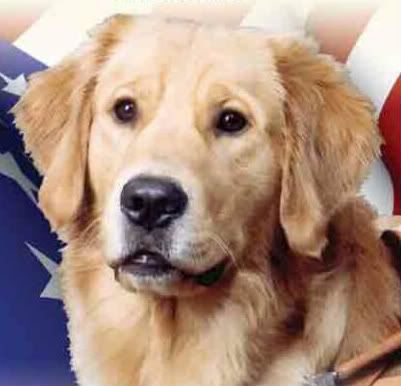
Celebrate Veteran Animals Too

Over the years I have written about the animal that have served during war time and those that animals who are helpful to our veterans.

The stories include those about Vet Dogs and the war zone dogs, horses, and mules.

Recently I found another story about animals that have been helping service men and women in the war zones of Iraq and Afghanistan that I thought you would be interested in.

Dogs have acute sense of smell that can detect explosive materials and can sense danger to warn those around them.

The story I came across was about Thomas Kennedy who serves in Iraq as a civilian police adviser.

One day the strange actions of the stray dogs in his complex caught his attention. They began barking and running out of the complex where he was staying.

In response, he armed himself and set out to investigate. Just moments later explosives were detonated in a garbage truck parked nearby. The blast tore off the front of one building and left a 30 foot crater in the complex.

Thomas Kennedy survived and is now working in Afghanistan.

Military dogs today get medical care and actually hold a rank but there is no care for the strays that have become unofficial guards for military and civilian personnel.

Kennedy’s brother is seeking donations for veterinary medical supplies and anti-parasite products for those animals who are saving the forces overseas.

If you would like to donate, you can read more here or get information of how to support this project by calling the Tuckahoe Animal Hospital at (914) 395-1500 or Michael Kennedy at (914) 262-2120.

Bahgdad Pups helped to bring Rachet to the United States. The dog was rescued by a military service woman and since the military will not bring these types of dogs home the organization does.
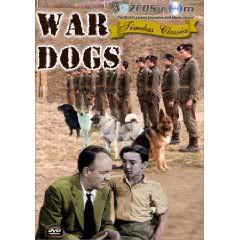
If you are interested in some DVDs about the War Dogs I found a couple:

War Dogs (1942) DVD and Chips the War Dog

If you are interested in military handlers and military dogs you can find a few sites that will help you to learn more.

Many other animals have served in war time but I’ll save those for another post.

To help get you started, here are a few additional links related to military dogs and their handlers:

Vietnam War Dog Handlers

US War Dogs

Dogs & National Defense (Article)

Happy Veteran’s Day and thanks to those who fight for our freedom.

Senior Cats

Above: Senior cats inactivity can lead to obesity and other problems.

For some reason the topic of senior pets most often concerns dogs so I thought it was time to give senior cats some focus.

Subtle changes in behavior and activity can alert cat owners to potential problems facing their older felines.

Now most people expect aging animals to show changes in activity level, less inclination to jump, stiffness, and difficulties in getting up. These mobility difficulties may indicate inflammation or early signs or arthritis.

There are other changes to pay attention to. For instance, sudden shifts in body weight should concern you—quick loss or gain should motivate you to visit the veterinarian for a wellness checkup.

More subtle shifts in eating habits or toileting habits are other indicators of a potential problem.

Even the change in something as simple changing sleeping locations and patterns can be early indicators of a health issue.

Older animals may develop new bumps and lumps that should be checked out by a vet but will also experience changes in their hearing, vision, and breath.

You many witness a sensitivity to temperatures.

Any signs of respiratory difficulty such as increased panting or sneezing, and difficulties chewing or swallowing should motivate you to get the animal to the veterinary clinic as soon as possible.

I wrote about Cinderella not too long ago, she is estimated to be between 16 to 18 years of age and a sudden change in weight alerted us to a problem which turned out to be hyperthyroidism.

Other veterinary medical problems include dental disease, liver disease, bladder stones, cancer, and others.

Did you know that one out of 400 cats develops feline diabetes? So it is important to make sure that you pay attention to diet and be aware that obesity and inactivity will put a cat at risk to this disease.

Daily touch can help you to monitor the health of your cat. Get familiar with the weight and check the gums and teeth because it is estimated that about one third of older cats develop dental disease.

Senior cats often do not wear down their claws or use scratching posts as they once did so check the claws because you might find that your cat may need to have his or her claws clipped on a regular basis.

Now just like with senior dogs, there are many products for senior cats and I’ll discuss some useful senior cat products in the next part of this series but let me mention a few standard pet supplies that you should have in your home pet kit.

Grooming supplies should be a standard and if you cannot groom your cat, make sure the feline visits the groomer.

Dental care products and hair ball remedies should be standards and the addition of fatty acid supplements are a good idea.

Dietary needs change over time so changing the diet gradually to meet the activity and age needs is a great way to help manage organ health, skin and coat condition, avoid diabetes, and to mitigate urinary tract infections.

Finally, additional attention to litter box management is important. Daily scooping, once a week cleaning, and additional boxes will help avoid inappropriate elimination and house soiling.