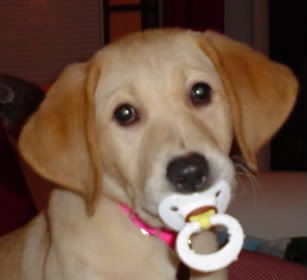
Dog Potty Training Issues

When you pinpoint the reason why an animal is in appropriately urinating or defecating you can solve the house training issue much faster.

Reasons dog or puppies have house training issues:

  • Lack of training, “training by accident,” or the wrong type of training.

Normal doggie rules (called instinct) will naturally urge a pooch to travel away from their living area to relieve themselves at about five weeks of age. If they cannot get to the right area, they will be “trained by accident”. This causes them to go potty in the house, on the carpet, concrete, and to think that it is normal.

  • The wrong type of confinement.

The wrong type of confinement also can fall under the wrong type of training since it involves keeping the pooch in a certain area and accidentally trains them to go potty in the places you don’t want them to go.

  • Medical or physical problems or limitations.

If your pooch is not feeling well that could affect its normal toileting habits. New medicine worms (parasites) and other stuff like infections can also cause house soiling problems. New puppies and dogs should be checked out by the veterinarian before or after their arrival to your home (in three to five days) to make sure they are in good shape.

  • Age limitations.

Young puppies and older dogs fit in here. Older pets get stuck in a routine and do not adapt to changes very well. Older dogs can get senile too! Pups can only control their urge if they are taught to. Asking your puppy to hold their urge for long periods of time is asking a lot until after they are about six months old.

  • Territorial marking behavior.

“Lefty the leg lifter” fits here. This is a problem with male dogs but can apply to bossy females too. They mark their territory to show others they own it.

  • Emotional reasons.

Yes, animals do have emotions and feelings. They differ from ours but they have them. Trauma in the family or household can affect more sensitive animals. If the person who the dog is closest to dies or is very upset the problem might fit here.

  • Too much time alone.

Latch-key dogs are found here. The cause is due to the dog being unable to relieve itself in a timely manner. Accidents can happen if they have a “funny tummy” before the normal scheduled time arrives to go out.

  • Diet or food brand changes.

This one is pretty simple. Any change in diet can trigger loose stools or more frequent pooping. High fiber content foods, rich meats, canned food, table scraps, or a change in brand can also be culprits.

  • Move to a new home or new animal addition.

Moving to a new location sometimes messes up a dog and may trigger marking behavior. People who lived there before you m ay have had animals that soiled and that would cause your critters to want to leave their mark. New animals arriving into your home may also feel the need to leave their mark.

  • Temperament issues.

“Wimpy” dogs fall under this category. Most of these animals are just showing they are submissive, since they are very low on the totem pole. They cannot control this reflex. These animals are very sensitive and have numerous things that can trigger this reaction.
Crate Training: House Training Puppies & Dogs

Crate training is an old standard for house training puppies and dogs. Crate confinement can be a great tool but dogs are often abused by being left inside it for long periods of time.

Animals should not be confined in the crate for hours on end.

If you work, neighbors or professional pet sitters or dog walkers are idea candidates to assist you in house training if you are using confinement as a strategy.

Confinement training works because most animal do not chose to eliminate in the area they live or sleep in.

You don’t always need a crate, but a crate is a great tool to use because it can be used during travel or if you have to evacuate.

Although young puppies often accept crating right away, in some cases you will want to take a little while to train the behavior. This effort may take a few hours to a few days.

Allow your pup to ago in and out of the crate before closing it for short periods of time.

I prefer to have the initial crate training occur in a rest area such as a bath room or laundry area where a baby gate can keep the pup inside while he or she gets acclimated to the crate.

Crate your pup for short periods of time while you are at home and in the same room. This strategy helps avoid separation anxiety issues later because you acclimatize the puppy to your absence from the room in which he is crated.

You can also encourage crate use by dropping small pieces of kibble inside the crate or by feeding your pup in the crate. This creates a positive association with it and replicated the same eating and sleeping environment of a den.

Use praise when the pup enters the crate. At night place your pup in his crate and shut the door upon retiring.

I like to have the crates nearby or in a central location during the day but sleeping arrangements should be made so the pup is next to your bed in your room. (Not the kids’ rooms.)

What do you need for crate training?

Plastic Molded Crates or Wire Mesh Crates
Plastic dog crates are good for airline travel. You can dismantle the crate by removing the screws. Temporarily remove the top and door and then replace them and secure the pup for short amounts of time.

Wire dog crates are better choices if you have to evacuate the area. They also allow more ventilation. When training, securely faster the crate door so it stays open. If there is a floor pan, keep it from rattling by using a towel between the crate bottom and the floor pan in order to keep it from rattling.

Toys & Chew Items
Place puppy’s favorite toys and chew treats at the far end of the crate away from the door. All items should be large enough and sturdy enough to prevent swallowing. Kong products are a good choice.

Water
A Lixit puppy water bottle dispenser should be attached to the crate if your puppy is to be confined for more than a couple of hours in the crate.

Bedding
Bedding is optional in a crate and I’d recommend using old towels to start. Some pups will like a soft place to sleep while others won’t use it as bedding and will push it aside or use it as a chew item. If the puppy urinates or chews on the bedding remove it until the pup no longer eliminates in the crate.

Puppies less than 4 months of age have little control over their bladder bowels and extremely young pups less than 9 weeks should not be crated because they eliminate very frequently.

How do I deal with crate training accidents?
If your puppy messes in his crate while you are out or had an accident, do not punish him. Place him elsewhere and wash out the crate with a pet odor neutralizer (such as Nature’s Miracle). Avoid vinegar or ammonia-based products since they may draw your dog back to use the same spot again.

How long can I crate a puppy?
Except for overnight, do not keep any dog crated for more than 6 hours. Use a pet sitting service or other pet professional to help you during house training.

Some standard crate training limits:
Under 9 weeks do not crate at all.
9-10 Weeks of age: 30 to 60 minutes
11-14 Weeks of age: 1 to3 hours
15-16 Weeks of age: 3 to 4 hours
17 Weeks of age & older: 5 to 6 hours

What size crate do you need to crate train?
In general, you want to get a crate that you can use for the lifespan of your dog. Buy for the weight of an adult dog. You can also buy a smaller crate, sell it, and then get a larger one as your dog grows.

Sky Kennel Small (Product #100) for average weight of 6-10 pounds.

Sky Kennel Small-Medium (Product #200) for average weight of 11-20 pounds

Sky Kennel Medium (Product #300) for average weight of 21-40 pounds.

Sky Kennel Large (Product #400) for average weight of 41-65 pounds.

Sky Kennel Very Large (Product #500) for average weight of 67-100 pounds.

Sky Kennel Extra Large (product #700) for average weight of 110 pounds and up.

Other tools to use instead of a crate include baby gates, play pens, and other similar strategies. The idea is to keep the dog in a small confined area since most dogs will not eliminate in their living or sleeping quarters.

However, confinement is just one way to house train a dog. I usually advocate using a variety of techniques for quick success and ease. The exact combination will be determined after you discover why the pet has the house training issues.