
Pet Microchip Standardization

After pet identification tags, getting a pet microchipped is a great step toward getting your pet home if he or she becomes lost or escapes during a disaster.

The rice sized chip is inserted by a veterinarian under the pet’s skin and when scanned, it reveals the name and address of the owner.

Until recently the big glitch was that some of the scanners used to search for microchips would not read all of the microchips on the market because the different frequencies makes brands incompatible with many of the readers.
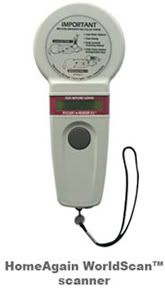
Last year the HomeAgain Universal WorldScan was released. (A Universal WorldChip was released this year.) The microchip scanner can read all the microchip frequencies (125 kHz, 128 kHz, 134.2 kHz) currently on the market.

In addition, a MiniTracker Pro microchip scanner was introduced by Avid Identification Systems Inc. The MiniTracker Pro can read both encrypted or unencrypted (125 kHz, 134.2 kHz) microchips.

Another problem facing those seeking owners for lost pets is that the shelters and veterinary clinics also have to check multiple databases to find the information from the implanted microchips.

The American Veterinary Medical Association (AVMA) suggested a change and is urging that a network of links between databases is created so that the process is simplified.

In the meantime, HomeAgain issued a US Pet Recover Service Center Chart to customers. The chart lists the names of other microchip manufacturers along with their phone numbers.

This is an essential guide because it includes information on the different chip frequencies and how they appear when scanned—which helps identify what database to search in order to reunite the pet with his or her family.

Puppy Socialization: Now Sanctioned

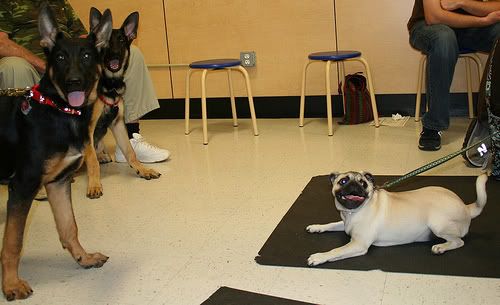
Puppy class photo by Ambie Bambi

In my career I’ve often tested new ideas long before they have become the norm. The challenge has always been to get others on board.

My local community lags behind the rest of the nation when it comes to animal care and training.

Personally, I like to get pups into training and socialization as soon as they arrive in the new household.

Granted, puppy training is a lot more difficult because puppies have the attention span of knats.

In some ways it is easier but in some ways it seems more difficult. However early puppy parenting pays off in the long run.

Unfortunately, most people still follow the pop culture trends of harsher training methods (which I find archaic) and waiting until an animal is an adolescent before they set down any ground rules.

Bad idea.

Who in their right mind waits to teach manners to adolescents?

Some of my colleagues and I conduct in-home private sessions with young pups and then do socializing in areas that pose less risk avoiding dog parks and high traffic areas where exposure to disease is higher.

We’ve used towels as stationing devices, devised covered or fenced areas in public venues, and met in disinfected clinics or pet stores.

My puppy socials always attracted a wide variety of breeds and ages. It is also a good way to teach owners how to manage their animals in a public setting and how to avoid the “dog park gone wild” situations that are becoming more and more prevalent in locations where there is no supervision.

Anyway, my point of this post is to let you know that I was happy to hear that the American Veterinary Society of Animal Behavior has taken a position on early socialization BEFORE the puppy vaccination series is complete.

The group agrees that early socialization should start as early as seven or eight weeks of age after they have a least one set of vaccines and a deworming.

To participate in a puppy social these procedures should be done a least a week (seven days) before the first class participation.

As most behaviorists and trainers know, there are critical developmental stages that take place from early puppyhood until about four months of age.

Not having early socialization can escalate phobias that include fear of people, other animals, objects, and different environments and substrates.

I am hoping that more veterinarians adopt to this “new thought” process. It can help prevent issues on the table and in the exam room if done right.

Many of my clients are assigned to go visit the veterinarian to get a pat and a cookie so that they have a better association with the clinic.

One of my clients proudly reported that her dog is the only well behaved animal in the waiting room. He also cooperates for every procedure.

Hopefully, those pups who present problems at an early age (growling and nipping for instance) can also get the schooling to prevent those problems from escalating.

Many of us believe that early pet parenting will help clients become more compliant and motivate them to continue those efforts that are benefit their pet.

If you are interested you can read the puppy socialization statement at the American Veterinary Society of Animal Behavior.