There has been a lot of focus on studies that show how pets benefits their humans but not a lot beyond the individual focus–until a couple of years ago.
Lisa Wood, a PhD candidate at the University of Western Australia conducted a study about pet ownership and social interactions. Basically, her results were that if you want to make more friends—get a pet.
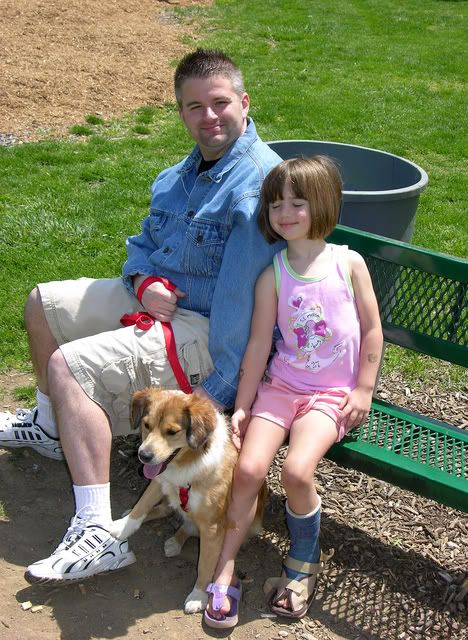
Pet owners (and dog owners in particular) were found to be more social and likely to greet, chat, and exchange favors with those in the neighborhood.
More than half of the pet owners said that their pets helped to catalyze friendships around their suburbs. Many more pet owners said that walking their pets sparked conversations with others.
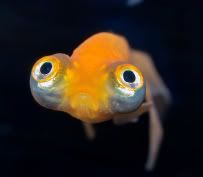
Okay, so what about other pets owners? Wood’s Study found that even goldfish owners were friendlier than those who didn’t own any pets.
During all the years I’ve worked with animals I’ve found that people will open up and chat about their pets in social situations.
If you want to see enthusiastic conversations begin at a stiff social gathering, ask about pets and see what happens, that simple action usually sparks lively conversation over that common interest and seems to bond people more quickly than any other.
Wood’s research was the first to look at pet ownership as social capital, using it to build cooperation and trust within communities.
Here in my little town, I am a good example of that. I know all the dogs around the neighborhood and many of the pet owners know me by default.
Just the other day one of the pups came running out to greet me since I haven’t seen him in months. Of course the owner followed which resulted in a long discussion while the dog leaned against me and happily wagged his tail.
The study which was published in Social Science and Medicine suggests that owning a pet motivates people to get out to walk, visit local parks, and provides many more opportunities to meet new people.
At the moment I am without any household pets. The loss of my last two animals was hard on me and I’ve decided to wait before obtaining another critters. However, I am the unofficial auntie to a wide variety of pets in my town.
This makes me the social maven of my small community.
Down the road I stop by to visit Shadow and Katie (both dogs). Earlier this year Shadow and I would take long hikes into the woods and through town…so much so that everybody thinks that she is my dog!
I’ve know Shadow since the day she was born and am motivated to get out to take a stroll even if the visit is just for a short interlude.
In my neighborhood, walks to Shadow’s home should take only about ten minutes but the neighborhood interactions along the way often extend this time to a half-an-hour or more.
Not too long ago my walks took a long time because I had to greet all my dog pals on the way to and from my destinations.
Locally people told a reporter that I am the Pied Piper because most of the community dogs will join me on walks or follow me back to their homes while I tell them they should not be meandering down the streets.
I sometimes find it funny that there always has to be a scientific study to verify what many of us already know (or suspect) is true.
Ultimately what the study revealed is that pets help maintain good mental health and catalyze more community involvement.
Read The Pet Connection: Pets as a Conduit for Social Capital at Social Science and Medicine.
 In case you don’t know the answer this is a myth and pure fiction.