Are You Killing Your Pet?


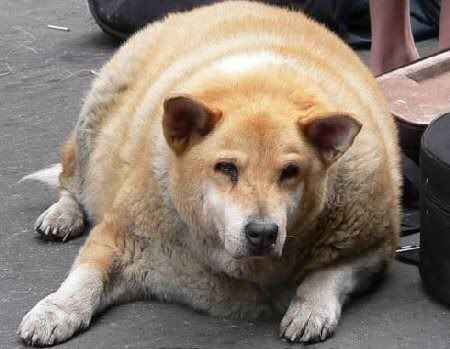
Above: Pet Obesity is a HUGE problem.

This time of year people are thinking about New Year resolutions–those promises of change that may or may not happen.

One of the most common resolutions is for weight loss and fitness so I thought I would ask you–are you killing your pet?

You might be.

Many pets gain extra weight during the holidays right along with their owners according to a pet obesity study.

One of the things people do is overfeed their animals even beyond the holidays.

For instance, I had one client whose diabetic dog was on a strict diet–but she kept giving her lots of treats–which defeated the purpose and kept the dog fat.

It eventually killed the dog.

Now this might sound awful but most people I meet make the same mistake.

Right now I have a client that moved her dogs onto a better food–she should be feeding less but instead she is feeding the same amount and her dogs are plumping up as a result.

People don’t think treats count and people don’t adjust their companion animal’s intake when they change the main diet–both actions create problems.

Just check out this announcement from the study conducted by the Association for Pet Obesity Prevention (APOP) headed up by veterinarian Dr. Ernie Ward:

The National Pet Obesity Awareness Day study (October 2007) found 43% of all dogs and 53% of all cats were classified as overweight or obese by a veterinary health care provider; 10% of all dogs and 19% of all cats were classified as obese.
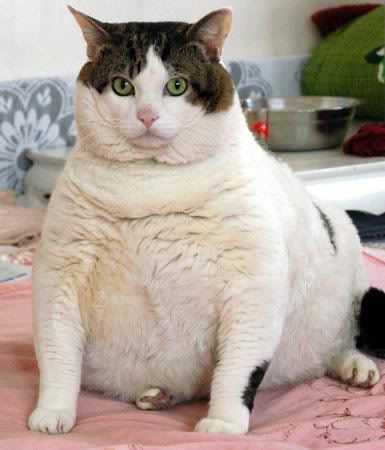
Above: Fat cat photo by Yukariryu.

The problem is that urban animals are also not getting enough exercise to justify the caloric intake.

Free feeding is not a good option for many animals either.

How do you tell if your pet is a healthy weight?

  • Ribs are easily felt
  • Firm abdomen
  • Waist can be seen when viewed from above

How do you tell if your pet is overweight?

  • Difficult to feel pets ribs under fat
  • Sagging stomach
  • Broad, flat back
  • Pet lacks a waist

You can download a pet daily calorie guide with the calorie listings of  what I consider “junk food” treats here.

Today more and more people are jumping on this issue because it is a serious concern.

Now you can find a pet diet site and Hill’s promotes an annual pet fitness challenge if you are so inclined.

Last year pet weight loss drugs were making headlines in the UK (Yarvitan) and here in the United States (Slentrol).

My opinion is that drugs are not a good solution for most pets. Owners should be monitoring pet health and following the recommendations from their veterinarian.

Now I know that there are those pets that gain weight due to hypothyroidism, Cushing’s disease, insulinoma, diabetes, pituitary abnormalities, and other diseases–but mostly I suspect overfeeding and lack of exercise for the majority of fat felines and those chunky canines.

So, today I wanted to suggest that if you are making resolutions to lose weight this year–why not include a program where you work out with your pet?

Pick up a few tips from Fitness Unleashed!: A Dog and Owner’s Guide to Losing Weight and Gaining Health Together since it might be a healthy treat for both you and your dog.

As for those fat cats try Fat Cat Thin: How to Keep Your Cat Lean, Fit, Healthy and Happy–and get them exercising too!

For both canines and felines you can reduce calories and increase activity to create a positive change.
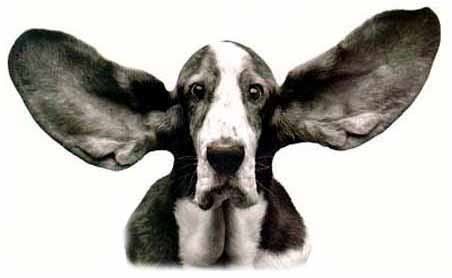
New Years Pet Noise Phobia & CDs

Every year many dogs suffer from noise phobia which creates a problem on New Years Eve. Loud noises such as fireworks during this holiday traumatize dogs.

Desensitizing a dog to fireworks and related noise is possible but it takes time and pre-planning.

Since the New Year’s celebrations are just around the corner I thought it would be a good time to mention a few things owners can do to assist their pets through this short period of potential trauma.

I wrote previously about some of the pet music CDs available and some are specifically focused on helping pets overcome noise phobias associated with fireworks, thunder, and other loud bangs.

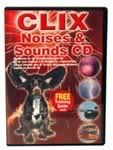
Most of the CDs I have found for this come from the United Kingdom such as the Sounds Scary CD Pack, Sounds Soothing CD Pack, Clix Noises And Sounds CD For Treatment & Prevention Of Sound Phobias In Dogs, or Sounds CD Behaviour Therapy CD for Dogs.

Obviously there isn’t much time to have such items delivered. You can help your pet get through this holiday a few different ways.

I wrote about pet noise phobia therapy for thunderstorms previously and the same products can help you with New Year’s noise phobia.

Dog Appeasing Pheromone (DAP) can help calm a dog (there is also a cat product called Feliway) and it is available in a few ways.

For the home, I prefer the Dog Appeasing Pheromone Electric Diffuser (DAP) but there is also a Dog Appeasing Pheromone (DAP) Collar, and a Dog Appeasing Pheromone (DAP)Spray.

HomeoPet Thunder Fireworks Loud Noise (TFLN) Anxiety drops is a specific formula for firework phobic pets but other homeopathic products such as Rescue Remedy can help, too.

A few people have found their pets improve when given Melatonin.

Although drug therapy and sedation can work, I only like recommending it if you have tried other techniques unsuccessfully previously.

It is important to refrain from ‘comforting’ their pet because, although done with good intentions, this can actually reinforce the fear and panic behaviors exhibited by the animals.

Reassuring your pet is different from the cuddling, petting, holding, and trying to physically relieve the stress.

It is best to soothe your pet by your tone of voice and by remaining calm.

Other preparations on such short notice is to make sure that your pet has ID tags with current information on them and that pets are safely secured both before and through the holiday.

Temporary strategies you can take:

* crate your pet at home
* kennel the pet professionally
* keep the pet confined/restrained indoors
* use drug therapy (tranquilizers/anti-anxiety medications as prescribed from your veterinarian)
* use alternative therapy (your holistic veterinarian or therapist will provide a list)
* play classical music or jazz to soothe pets and camouflage other noises

Your home environment is often the best holding area for your pet especially where you can confine your animal in a quiet room or in a crate.

Confinement or crates serve as a “den” that gives animals more security if trained right.

Crates that contain solid sidings with air vents work better than the wire ones in this type of situation.

If you are using a room in the home, the best ones are the bathroom, laundry room, or a secure garage.

The room to choose is one where there are no windows to jump through, or where the windows can be blocked off, or that are too high and narrow to access.

In addition, darken the room and crate. Be sure to play soothing music at a level that helps drown out the firework noise.

Before the holiday, be aware that fireworks may be set off before dark. Keep your dog on a leash when toileting and be sure that your pets have on a secure collar with the name and phone number of the veterinarian and your cell phone along with an emergency number of a friend that knows you pet.

Be sure to put your pets “to bed” early before celebrations and the fireworks start.

Always check with your veterinarian and behavior specialist before using any drugs or tranquilizers, and don’t forget to watch out for guests opening doors up which can provide an opportunity for animals to bolt outdoors.

If you think you need professional help be sure to contact your veterinarian or your local animal behavior specialist prior to the holiday.

Do you have any other tips or product recommendations for this issue? Please leave a comment below.