 So this is a bit off of my current focus on animal careers and animal training but in alignment with my passion for conservation.
I found that I just had to comment on a clever conservation marketing strategy launched by the Center for Biological Diversity.
Their intent is to have this project highlight the impact of human overpopulation on wildlife. Five people will win a lifetime condom supply of specially packaged condoms while 3,000 volunteers in the United States will distribute 100,000 free Endangered Species Condoms beginning on Valentine’s Day.
You can visit their campaign focused website called, Endangered Species Condoms.
The site will be dedicated to sharing how human overpopulation has a devastating impact on endangered species.
So far, there are six uniquely designed condom packages–so you can collect them all. LOL
Species they highlight include unique slogans
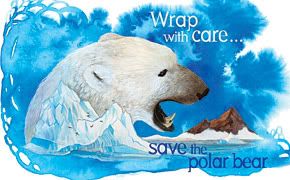
- polar bear (“Wrap with care, save the polar bear”),
- jaguar (“Wear a jimmy hat, save the big cat”),
- American burying beetle (“Cover your tweedle, save the burying beetle”),
- snail darter (“Hump smarter, save the snail darter”),
- coquí guajón rock frog (“Use a stopper, save the hopper”),
- and the spotted owl (“Wear a condom now, save the spotted owl”).
All six species are listed as threatened or endangered by the U.S. Fish and Wildlife Service. We actually have the spotted owl living in the forest here near my home.
Now my big pet peeve is how the United States is so consumer driven and dependent on petroleum. (Transportation, plastic bottles, bags, & packaging, heat…)
I also hate the individually packaged products and those companies that insist on manufacturing tools and toys that break within a short time and that cannot be fixed or end up in the bin.
It is a crime that more people don’t recycle or reuse–and where I live, people come up to enjoy the wilderness and dump their trash, toxic diapers, and other waste in the forest, in the lake, and on the lake shore.
The Center for Biological Diversity believes that their condom project will start a dialog about some of the major threats to earth,
“All of the major threats to the earth’s biodiversity – sprawl, logging, mining, dams, pollution, and climate change – are driven by human overpopulation. Our Endangered Species Condoms are designed to capture peoples’ attention, get them laughing, and get them talking about the impact of overpopulation on our small and fragile planet.”
The Endangered Species Condoms will be distributed by volunteers in the United States beginning on Valentine’s Day and although they expected some volunteers, they were overwhelmed.
So far it looks like they will distribute about 200,000 initially (the plan was 100,000 but they know they need more based on the response) and perhaps this will be a way to end up funding conservation projects.
I hope they will give some away and then sell them commercially to raise funds on a continuous basis. I believe if they distributed them from the free birth control clinics it would also be helpful.
Why not sell them? You can buy endangered species chocolate and other items already.
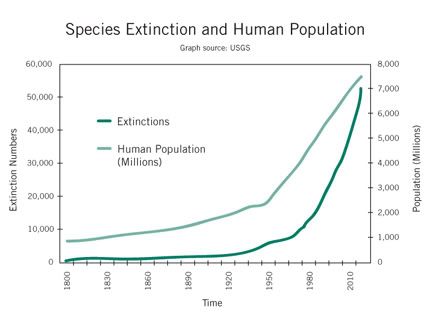 According to the Center for Biological Diversity, the human population stands at 6.8 billion and is projected to reach at least 9 billion by 2050.
The current extinction rate is about 1,000 times the normal rate that has existed for hundreds of millions of years.
Why?
“Unlike previous mass extinctions, which were the result of cosmic or geologic catastrophes, this one is being caused by a single species: human beings. With a little more thoughtfulness and responsibility for our reproductive behavior, we can ensure future generations inherit a world that’s still full of a diversity of life.”
The group is targeting the United States because it has the biggest population growth of any developed nation and because of the trends in consumerism that promotes high consumption levels.
For more information information on how human overpopulation and growth is impacting climate change, global fisheries collapse, public lands, and the extinction crisis visit the Endangered Species Condoms website.
Polar Bear Condom Package Design donated by Lori Lieber. Artwork donated by the Endangered Species Print Project. © 2010. All rights reserved.



Ha! What a clever idea.
Yes, pretty clever but a weird sort of project!