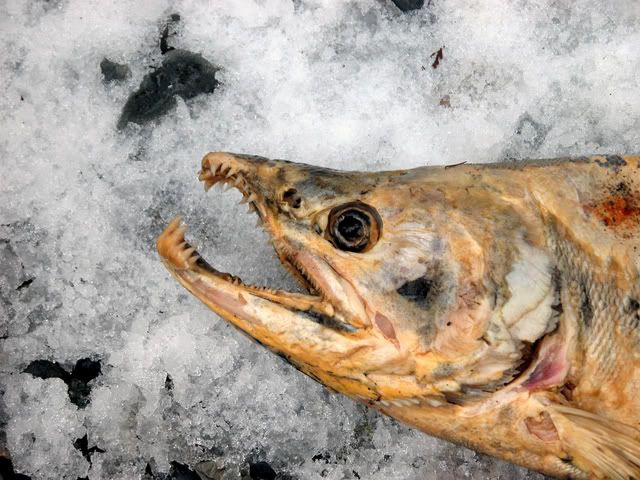
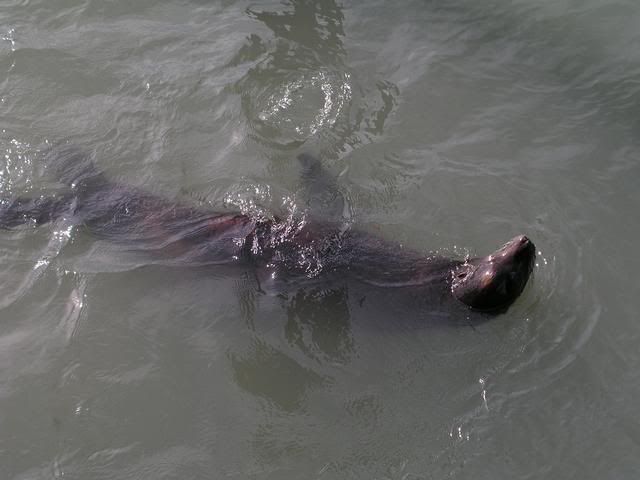
I hope the headline here got you hot under the collar. It certainly irks me to find out that the National Marine Fisheries has granted permission to kill sea lions that are preying on salmon. The article talks about salmon gobbling sea lions but doesn’t seem to look at how humans have over fished, over polluted, and generally behaved badly when it comes to human encroachment upon the wilderness.
Since I live in a town adjacent to the wilderness, this is a hot issue as the local powers and contractors continue to build in an area that is supposed to be a wilderness resort area. At one time the Bald Eagle winter population numbered about two dozen–funny enough, when the forestry traded a parcel in eagle habitat and allowed it to be developed–the eagle population fell.
Recently a local group, Friends of Fawnskin, won a lawsuit against a development–seems they were not adhering to the law–and most everyone was looking the other way. Our town is one of the only locations where you can still access the lake..and I’ll save those additional comments for the local rags.
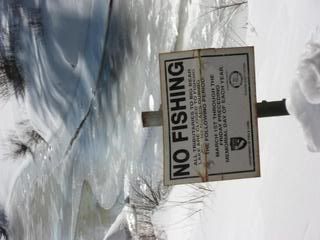
Just two weekends ago neighbor reported people illegally fishing–the tributaries leading down to the lake are off limits during spawning season –but people ignored the sign posted prominently in front of where they fished!
This sea lion problem first popped up in the news last year. Recently one of the blogs I read asked if anyone wanted a sea lion as a pet and linked to this piece…a joke but it caught my attention.
And don’t think that it is just a regional problem–it is one of global proportions which can also be seen in how “animal reserves” have shrunk–and animal populations with them.
Okay, so I am going to rant and ramble…
The ocean populations of fish, tide pool animals, whales, sharks, and other critters are in trouble. When I lived on the coast, sea animal suffered from fishing hooks, filament entanglement, ingestion of plastic, and pollution. Today this has escalated. Take a look at some of these pictures of shark victims or this informative section on the ocean problems by the World Wildlife Fund.
Here are some of their facts on the fishing depletion issue but you can read more here:
The global fishing fleet is currently 2.5x larger than what the oceans can sustainably support – meaning that humans are taking far more fish out of the ocean than can be replaced by those remaining. As a result:
- 52% of the world’s fisheries are fully exploited, and 24% are overexploited, depleted, or recovering from depletion
- Seven of the top ten marine fisheries, accounting for about 30% of all capture fisheries production, are fully exploited or overexploited
- As many as 90% of all the ocean’s large fish have been fished out
- Several important commercial fish populations have declined to the point where their survival is threatened
- Unless the current situation improves, stocks of all species currently fished for food are predicted to collapse by 2048
What can you do? The WWF give this action list
However, other actions are to sign a petition, write your local representative, or contact other government leaders now.
Do you have any other tips or links? Leave a comment!